
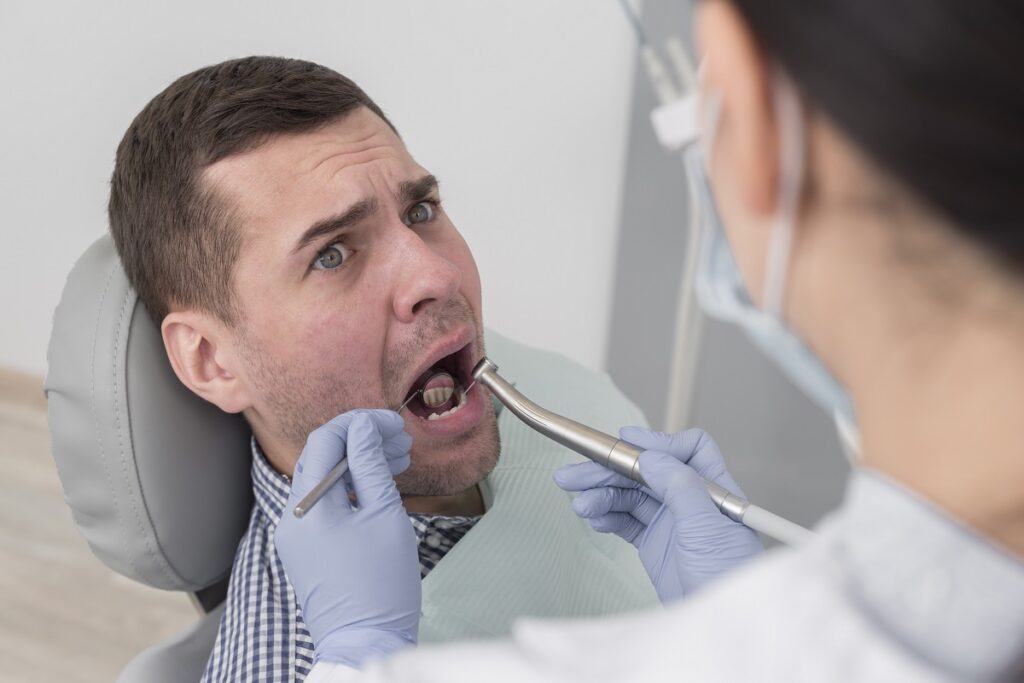
Many people associate tooth sensitivity with cavities, but that is only one possible cause. It is entirely possible to experience discomfort when eating cold foods, drinking hot beverages, or even breathing in cool air without having any tooth decay. Sensitivity often develops gradually, making it easy to dismiss until everyday activities become uncomfortable. Fortunately, a dental examination can usually identify the source of the problem and determine the most appropriate treatment.
Visiting a family dentist is one of the best ways to find out why tooth sensitivity has developed. Patients throughout Seattle, WA, frequently discover that sensitivity is related to worn enamel, exposed tooth roots, gum recession, or other conditions unrelated to cavities. Understanding these causes can help patients protect their teeth before the discomfort becomes more significant.
Tooth Enamel May Be Wearing Away
Tooth enamel is the tough outer layer that protects the more sensitive inner portions of each tooth. Although enamel is extremely durable, it does not regenerate once it has been lost. Years of brushing too aggressively, consuming acidic foods and beverages, or grinding the teeth can gradually wear away this protective layer.
As enamel becomes thinner, temperature changes and certain foods can more easily stimulate the nerves inside the tooth. Patients often notice brief, sharp discomfort when drinking something cold or eating sweets. A dental evaluation can determine whether enamel erosion is contributing to the problem and whether preventive measures may help slow additional wear.
Gum Recession Can Expose Sensitive Tooth Roots
Another common cause of tooth sensitivity is gum recession. Healthy gums normally cover the roots of the teeth, but as gum tissue gradually recedes, those roots become exposed. Unlike the crowns of the teeth, the roots are not protected by enamel, making them much more sensitive to changes in temperature and pressure.
Gum recession may occur because of aging, periodontal disease, overly aggressive brushing, or genetics. Even a small amount of exposed root surface can cause noticeable discomfort during normal daily activities.
A family dentist can evaluate gum health and recommend treatments to protect exposed root surfaces and reduce sensitivity.
Teeth Grinding Can Create Hidden Problems
Many people grind or clench their teeth without realizing it, particularly while sleeping. Over time, this repeated pressure can wear down enamel, create tiny fractures, and increase overall tooth sensitivity.
Patients who grind their teeth often report jaw soreness, morning headaches, or flattened chewing surfaces in addition to sensitive teeth. Because the damage develops slowly, many individuals are unaware of the habit until it is identified during a routine dental examination.
Protective appliances such as custom night guards may help reduce additional wear while preserving healthy tooth structure.
Recent Dental Treatment Can Cause Temporary Sensitivity
Some patients notice increased sensitivity after receiving dental treatment. Professional cleanings, fillings, crowns, or teeth whitening procedures may temporarily irritate the teeth before they return to normal.
This type of sensitivity is generally short-lived and improves within several days or weeks. If discomfort persists or worsens, patients should contact their dental provider to determine whether additional evaluation is necessary.
Most temporary sensitivity resolves without further treatment as the tooth naturally recovers.
Cracked Teeth May Not Always Be Visible
Small cracks in a tooth are not always easy to detect without a professional examination. Even minor fractures can allow temperature changes or biting pressure to reach the tooth’s sensitive inner portion.
Patients sometimes notice discomfort only when chewing certain foods or drinking cold beverages. Because cracks can worsen over time, prompt diagnosis is important for preserving the affected tooth.
Modern diagnostic techniques allow dentists to identify many types of fractures before they develop into larger restorative problems.
Sensitive Teeth Can Often Be Treated Successfully
The encouraging news is that tooth sensitivity is often manageable once the underlying cause has been identified. Treatment may involve fluoride applications, desensitizing products, gum treatments, bite adjustments, or restorative procedures, depending on the condition causing the discomfort.
Ignoring persistent sensitivity is not recommended because it may signal an underlying problem that continues to progress. Early diagnosis often allows for simpler treatment while protecting the natural tooth.
Routine dental visits remain one of the most effective ways to identify these concerns before they become more difficult to treat.
Frequently Asked Questions
Can I have sensitive teeth even if I do not have cavities?
Yes. Tooth sensitivity is frequently caused by enamel wear, gum recession, teeth grinding, exposed roots, or small cracks rather than cavities.
Can a family dentist help reduce tooth sensitivity?
Yes. A family dentist can determine the source of the sensitivity and recommend treatments that address the underlying cause instead of simply masking the symptoms.
Does brushing too hard make teeth sensitive?
It can. Aggressive brushing may wear away enamel and contribute to gum recession, both of which increase tooth sensitivity over time.
When should I see a dentist for sensitive teeth?
Patients should schedule an appointment if sensitivity persists, worsens, interferes with eating or drinking, is accompanied by pain when chewing, or is accompanied by visible damage to a tooth.
Find the Cause Before Sensitivity Gets Worse
Tooth sensitivity without cavities is more common than many people realize. Worn enamel, gum recession, teeth grinding, and small fractures can all contribute to discomfort that affects daily life. Identifying the source of the problem allows treatment to focus on preserving healthy teeth while improving comfort and function.
If you are experiencing persistent tooth sensitivity and are looking for a trusted family dentist in Seattle, WA, schedule an appointment with SkyView Family Dentistry. Their experienced team provides preventive, restorative, and cosmetic dental care designed to diagnose the cause of sensitive teeth and help patients maintain healthy, comfortable smiles for years to come.
