
The moment someone steps through your front door, a silent conversation begins. It happens in the way light falls on the floor, the scent that lingers in the air, and the first piece of furniture that greets the eye. More often than not, that piece is an entryway table. Yet many homeowners treat this hardworking surface as an afterthought, filling it with clutter or skipping it entirely. Have you ever wondered what your entryway is actually saying to guests, family members, and even yourself? A well-considered table can turn a narrow hallway into a warm welcome, a small nook into a functional command center, and a plain wall into a curated moment. This article explores why the entryway table deserves fresh attention, how to choose one that works for real life, and how to style it so it feels intentional rather than accidental. If your front door area has been quietly underperforming, the answer may be closer than you think.
Why the First Piece of Furniture You See Matters
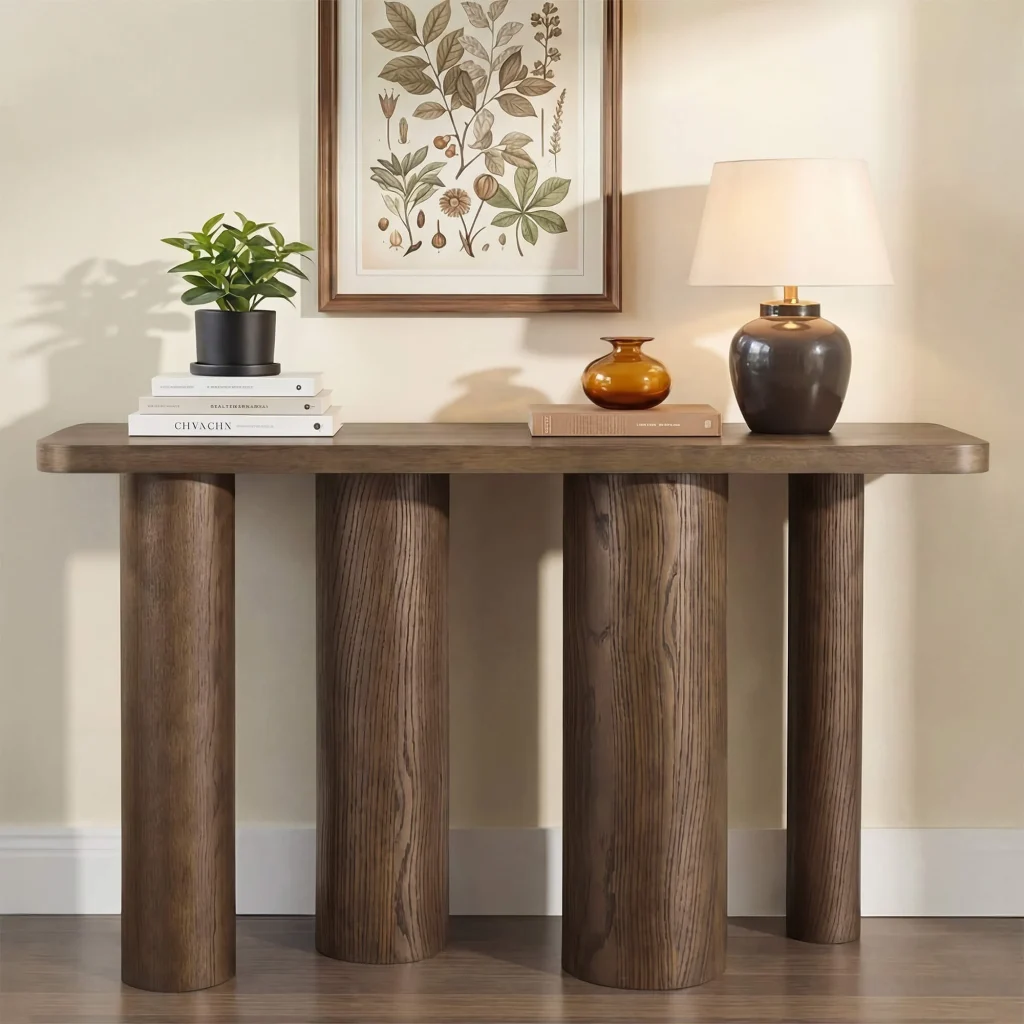
Interior designers often describe the entryway as the handshake of a home. It sets tone, signals style, and previews the personality of the rooms beyond. When that handshake is warm, guests relax before they even reach the living room. When it feels cluttered or generic, they carry that impression forward, whether they realize it or not. The furniture you place here does most of the heavy lifting. A thoughtful entryway table anchors the space, gives your eye a place to land, and provides a physical stage for the objects you actually use every day. Keys, mail, sunglasses, a small lamp, a favorite vase—these tiny details tell a story, and the table underneath them is the narrator.
There is also a practical layer. Entryways tend to be transitional zones with limited square footage, so every furnishing must earn its place. A table that is too deep will crowd the walkway. One that is too shallow will feel apologetic. The right proportions create flow, while the wrong ones create friction that you feel every time you come home. Getting this balance correct is less about following rules and more about understanding how the space is used from morning rush to quiet evening return.
Understanding What Your Space Actually Needs
Before browsing a single showroom, take a hard look at the way traffic moves through your entry. Do two or three people arrive home at once and drop things simultaneously? Is the front door tight against a wall, or does it swing into a wider foyer? Do you need a spot to sit and remove boots, or does the table have to double as a display shelf because there is nowhere else to put family photos? Each answer nudges you toward a different kind of piece. Households with children may benefit from a sturdier design that shrugs off bumps and spills. Solo dwellers in smaller apartments often lean toward slim, sculptural silhouettes that read more like art than storage.
Height is another quiet dealbreaker. Most entryway tables land somewhere in the range of a standard console, but the ideal height depends on what sits above. If you plan to hang a mirror, leave enough breathing room between the tabletop and the frame so the composition does not feel squeezed. If you want a lamp, remember that a shorter table paired with a tall lamp creates a graceful vertical line, while a taller table with a compact lamp feels grounded and steady. Neither is wrong. The point is to make the decision consciously rather than by accident.
Materials, Mood, and the Language of Wood
Material choice is where personality really enters the picture. Solid wood remains a perennial favorite because it ages with grace and pairs with almost every design vocabulary, from mid-century to modern farmhouse to soft contemporary. Oak in particular carries a quiet confidence. Its grain is expressive without being loud, and its warmth softens rooms that might otherwise feel cool or overly styled. Walnut skews richer and more formal. Painted finishes offer punch and personality but demand more upkeep to stay looking crisp. Metal and glass combinations lean airy and gallery-like, which can be perfect for small foyers where visual weight matters.
Beyond the material itself, pay attention to construction. A table that feels solid when you rest a hand on it will still feel solid a decade from now. Joinery, edge detailing, and the finish applied to the surface all influence how the piece will handle daily wear. Brands like CHITA LIVING have built a reputation on pairing considered craftsmanship with approachable design, showing that thoughtful furniture does not have to feel precious or off-limits. The goal is a piece you live with, not one you tiptoe around.
Styling Without Falling Into Clutter
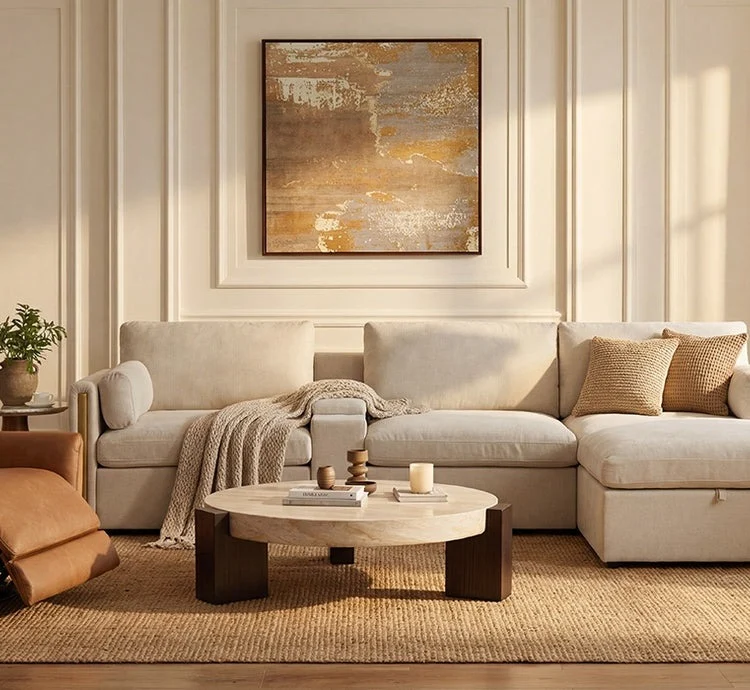
The most common styling mistake is treating the entryway table as a horizontal junk drawer. Mail piles up, receipts scatter, and within days the surface disappears under a layer of daily life. The fix is not to demand more discipline from yourself. It is to design the surface so it naturally invites order. Group functional items in a shallow tray so they read as one intentional cluster rather than random debris. Add a small bowl for keys so they always land in the same spot. Reserve a corner for a piece of decor that has no job other than to be beautiful, whether that is a ceramic vessel, a stack of collected books, or a small piece of sculpture.
Lighting deserves its own moment. A soft lamp on an entryway table transforms the space at night, turning the front hall into a glowing invitation rather than a shadowed pass-through. If a lamp is not possible, consider a small candle or a wall sconce positioned nearby. The layered light will make the whole zone feel more intentional. Mirrors amplify this effect by bouncing daylight deeper into the home during the day and reflecting warm lamplight in the evening.
Making the Table Work Beyond the Front Door
One of the underrated superpowers of a well-chosen entryway table is its versatility over time. Life shifts, and furniture that can shift with it earns its keep many times over. Today it may live in the foyer. Next year it might migrate behind a sofa to serve as a console, or into a bedroom to act as a slim vanity, or into a home office to house a printer discreetly. Choosing a piece with clean lines and honest materials makes these future moves easier because it will read naturally in almost any room.
Storage-friendly designs, whether through a lower shelf, a set of drawers, or a hidden compartment, quietly extend a table’s usefulness. Even a single open shelf can hold a woven basket for scarves in winter and swap to a stack of art books in summer. The best entryway pieces do not demand a single fixed identity. They accept whatever the season, or the household, needs from them next.
Common Missteps and How to Sidestep Them
A few patterns show up again and again when entryways feel off. The table is often too small for the wall, floating awkwardly in a sea of empty space, or too large, blocking the natural swing of a door or the flow of foot traffic. Decor above the table sometimes gets hung too high, breaking the visual connection between the wall art and the surface below. Rugs are chosen for looks rather than durability and then punished by daily wet shoes. Each of these missteps is easy to fix once you notice it, and each fix pays back every single day.
Another quiet issue is scale in styling. Three items of nearly the same height on a table read as flat and repetitive. Mixing heights, textures, and finishes creates rhythm. A tall lamp, a medium vase, and a low tray form a subtle triangle that draws the eye across the surface. The moment the composition feels alive rather than staged, you know the arrangement is working.
Rethinking the Space That Says Hello
An entryway table is a small commitment with an outsized effect. It shapes the first impression your home offers, quietly organizes the routines of daily life, and sets a visual tone that ripples into every adjoining room. When the piece is well proportioned, thoughtfully styled, and made of materials that age with grace, the entire front of the home starts to feel more settled. The question worth carrying with you is not simply what looks nice on the surface. It is whether the space that welcomes you home is doing its quiet job with intention. If the answer is uncertain, a fresh look at this one hardworking piece of furniture is a surprisingly satisfying place to begin.
