
At-home skincare technology has never been more sophisticated — or more accessible. What once required a dermatologist’s office or a luxury spa is now available in your living room, and red light therapy panels sit at the forefront of this shift. From celebrities to everyday skincare enthusiasts, more people are turning to these devices as a consistent, science-backed way to support healthier, more radiant skin without stepping outside their front door.
Red light therapy panels harness specific wavelengths of light to penetrate the skin at a cellular level, triggering natural processes that promote rejuvenation, reduce inflammation, and support long-term skin health. The results speak for themselves — but getting those results depends entirely on choosing the right device for your needs.
That’s where many buyers run into trouble. Walk into any online marketplace and you’ll find hundreds of panels varying wildly in power, size, wavelength, and price. Without clear guidance, it’s easy to overspend on features you don’t need — or worse, underspend on a device that simply won’t deliver. This article cuts through the noise, giving beauty and skincare enthusiasts a straightforward, informed path to selecting a red light therapy panel that truly works for their skin goals at home.
Understanding Red Light Therapy and Its Benefits for Skin Health
Red light therapy works by delivering specific wavelengths of light — typically in the 600–900nm range — directly into skin tissue. Rather than heating the surface, these wavelengths penetrate deeper layers where mitochondria, the powerhouses of your cells, absorb the light energy and convert it into cellular fuel. This process, known as photobiomodulation, essentially supercharges your skin’s natural repair and renewal mechanisms.
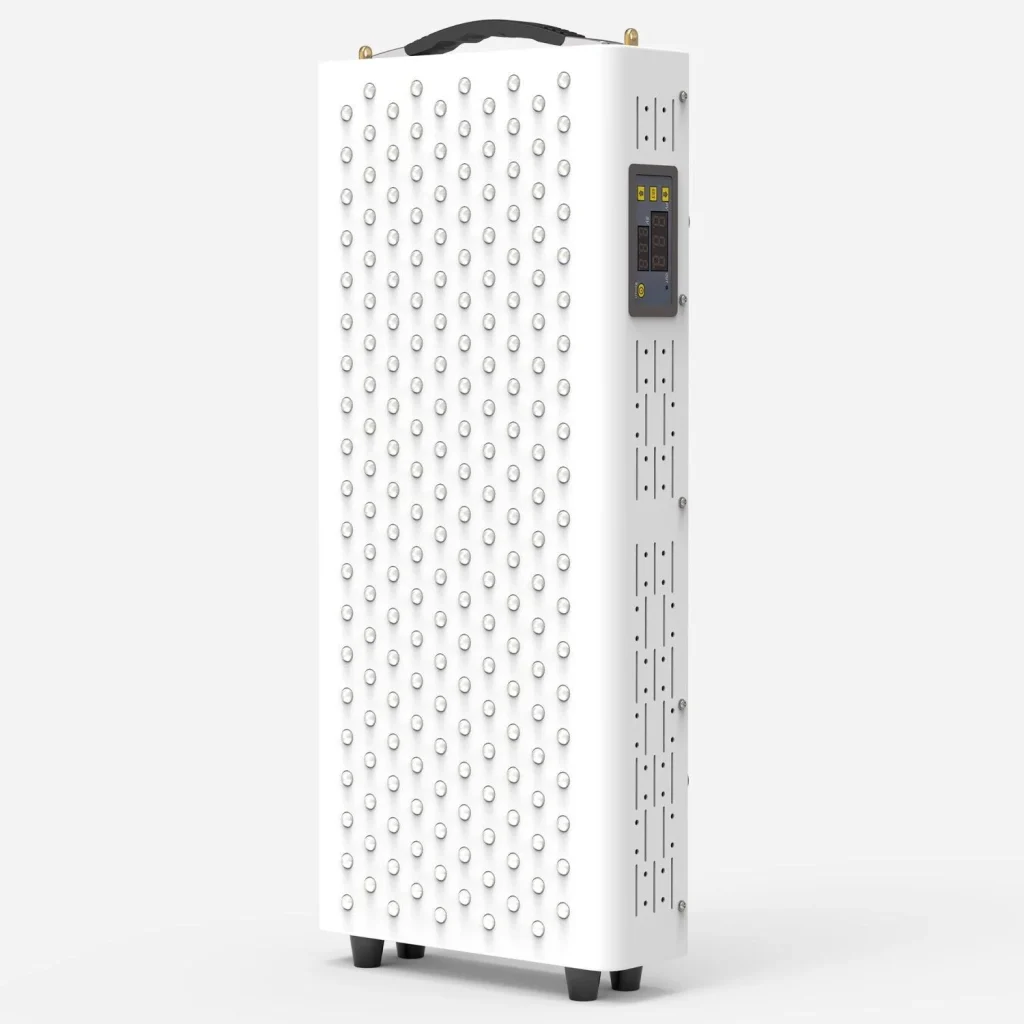
For beauty and skincare enthusiasts, the practical benefits are significant. Consistent sessions stimulate collagen and elastin production, visibly reducing fine lines and improving firmness over time. The therapy also calms chronic skin inflammation, making it a valuable tool for those dealing with redness, rosacea, or post-breakout irritation. Texture irregularities smooth out gradually as accelerated cell turnover replaces damaged tissue with healthier skin. Beyond aesthetics, red light therapy has shown credible results in supporting muscle recovery, joint health, and sleep quality — factors that reinforce its legitimacy as a serious wellness technology rather than a passing trend.
How Red Light Therapy Promotes Cell Energization for Rejuvenation
When mitochondria absorb red and near-infrared light, ATP (adenosine triphosphate) production increases significantly. This energy boost accelerates the cell’s ability to repair damage, synthesize structural proteins, and regulate inflammation. At the skin level, this translates to improved elasticity, more even tone, and a visibly healthier complexion — changes rooted in genuine biological activity rather than surface-level effects.
Key Factors to Consider When Choosing a Red Light Therapy Panel
Not all red light therapy panels are built equally, and the differences between a device that transforms your skin and one that collects dust come down to a handful of technical factors. Wavelength is the most fundamental. For surface-level skin concerns — fine lines, tone, texture — 660nm red light is the gold standard, penetrating the epidermis and upper dermis effectively. Near-infrared wavelengths around 850nm reach deeper tissue, making them ideal for inflammation reduction and more intensive rejuvenation. The most versatile panels deliver both simultaneously, giving you broader therapeutic coverage in a single session.
Power density, measured in milliwatts per square centimeter (mW/cm²), determines how much light energy actually reaches your skin within a given time. A panel with inadequate irradiance forces you to extend sessions considerably just to accumulate a therapeutic dose — or worse, never achieves one at all. Look for panels that clearly publish their irradiance measurements at a specified distance, typically 6 inches, rather than vague claims about “high power.”
Treatment area coverage is equally practical. A small handheld device may work for targeted spots, but a full-panel format — typically ranging from a partial-body to full-body size — allows you to treat your face, neck, and décolletage in one session, making your routine efficient and consistent. It’s worth noting that some buyers with exclusively facial goals opt instead for dedicated red light masks, such as those offered by YouLumi, which are designed to contour closely to the face for hands-free, targeted treatment. Consider your available space and primary skincare focus before committing to a larger panel unit.
Safety credentials matter too. Panels carrying FDA clearance or CE certification have passed independent evaluation for both efficacy and electrical safety — an important filter when navigating a market flooded with unverified products. Finally, assess build quality honestly. Metal housing, quality LED modules, and effective cooling systems signal a device designed for hundreds of hours of home use rather than a short product lifecycle.
Why Wavelength and Power Density Are Non-Negotiable
Purchasing a panel without confirmed wavelength accuracy is one of the most common and costly mistakes buyers make. Manufacturers occasionally advertise red light therapy devices that emit wavelengths outside the clinically studied ranges, producing light that looks similar to the eye but delivers negligible biological effect. Always look for third-party tested spectral data confirming the 660nm and 850nm outputs. On the power side, higher irradiance doesn’t just speed up results — it directly determines whether therapeutic thresholds are reached at all. A well-powered panel can deliver an effective session in ten to fifteen minutes, while an underpowered one may require thirty minutes or more to match the same dose, undermining the consistency that makes home therapy effective.
Comparing High-Power Panels for Effective Cell Energization
The red light therapy market broadly divides into two tiers: consumer-grade panels designed for home enthusiasts and professional-grade units built for clinical environments. Understanding where a device sits within this spectrum helps set realistic expectations before purchase. Consumer panels have improved dramatically in recent years, with many now offering irradiance levels and LED configurations that closely approach professional performance — making the gap between tiers far narrower than it was even five years ago.
LED count is one of the most visible differentiators between panels. Higher LED density typically supports more uniform light distribution across the treatment surface, reducing hotspots and ensuring consistent cell energization from edge to edge. However, LED count alone is misleading without accompanying irradiance data. A panel with fewer, higher-quality diodes can outperform one boasting hundreds of substandard LEDs — making independent measurements more reliable than headline specifications.
Cooling systems deserve more attention than most buyers give them. High-power panels generate heat during operation, and without adequate thermal management, LED efficiency drops and device lifespan shortens. Quality consumer panels incorporate internal fans or passive heat-sink designs to maintain stable operating temperatures. For home use, fan noise level is a practical consideration worth checking in user reviews.
Balancing power and safety in a home environment means prioritizing panels with built-in timers, low EMF output, and flicker-free operation. Excessive EMF emissions and flicker — common in cheaper panels — can cause eye strain and discomfort over repeated sessions. A well-engineered high-power panel delivers therapeutic cell energization efficiently while keeping these risk factors properly controlled, making it a genuinely sustainable addition to your daily routine.
Step-by-Step Guide to Selecting Your Perfect Home Therapy Panel
Start with your skin goals, because they determine everything else. Anti-aging concerns — fine lines, sagging, uneven tone — respond best to panels combining 660nm and 850nm wavelengths with strong irradiance. Acne-prone or sensitive skin benefits from the same dual-wavelength approach, since near-infrared penetration reduces the underlying inflammation driving breakouts. Knowing your primary objective narrows the field significantly before you spend an hour comparing spec sheets.
Next, define your budget and space constraints honestly. Quality home panels span a wide price range, and while premium options offer clinical-grade performance, mid-range panels with verified specifications can still deliver meaningful results. Measure the space where you plan to use the device — whether wall-mounted, freestanding, or tabletop — and match panel dimensions accordingly. Committing to a full-body panel you have nowhere to store guarantees it won’t be used consistently.
Research brands through independent sources rather than brand-owned content. Look for published third-party testing, verified customer reviews that mention long-term use, and responsive customer service records. A strong warranty — ideally two years or more — signals manufacturer confidence in the product’s durability. Once you have shortlisted two or three options, verify their technical specifications directly against your needs: irradiance at six inches, confirmed wavelength outputs, EMF levels, and flicker performance.
Ease of use is the final, often underrated factor. A panel with a built-in timer, intuitive controls, and a stable mounting system removes friction from daily sessions — and consistency is what produces results. If setup is complicated or the interface is confusing, sessions get skipped.
Evaluating Panel Specifications for Targeted Skin Treatment
When reading product specs, focus on irradiance values measured at your intended treatment distance rather than peak output at zero distance, which is never how a panel is used in practice. For facial skin treatment, an irradiance of 50–100 mW/cm² at six inches supports effective sessions within ten to twenty minutes. Panels with switchable wavelength modes let you customize sessions — using red light alone for surface skin work or activating near-infrared for deeper anti-inflammatory effects. Match session frequency to panel power: higher-irradiance devices typically require four to five sessions per week rather than daily use to avoid overstimulation, while lower-powered panels can be used daily to accumulate equivalent dosing.
Common Mistakes to Avoid When Buying Red Light Therapy Panels
Price-first shopping is the fastest route to disappointment. Budget panels frequently cut corners on LED quality, wavelength accuracy, and EMF shielding — producing a device that looks functional but delivers little therapeutic value. A modest investment in a verified, mid-range panel consistently outperforms a cheap alternative that never reaches effective irradiance thresholds.
Wavelength accuracy deserves its own caution. Some manufacturers label devices as red light therapy panels while emitting wavelengths outside the 630–670nm and 830–860nm therapeutic windows. Without third-party spectral confirmation, you may be treating your skin with decorative lighting rather than clinically meaningful wavelengths. Always request or research independent lab data before purchasing.
Eye safety is non-negotiable. Even panels that aren’t lasers can cause retinal strain with repeated direct exposure — always use the included protective goggles or purpose-made eyewear during sessions. Finally, resist marketing language like “medical-grade” or “NASA technology” without supporting certification. Verified specifications and independent testing tell you far more than any promotional claim ever will.
Smart Panel Selection for Lasting Skin Results
Choosing a red light therapy panel for home use doesn’t have to be a guessing game. The fundamentals are clear: prioritize clinically validated wavelengths at 660nm and 850nm, confirm irradiance output through independent testing, and match panel size to your actual space and skincare goals. Safety certifications, build quality, and thoughtful features like built-in timers and low EMF output separate devices that genuinely perform from those that only look the part.
The step-by-step selection process outlined here — starting with your skin goals, researching through credible sources, and scrutinizing technical specifications before purchase — removes the guesswork that trips up so many buyers. Avoiding common mistakes like chasing low prices or accepting unverified marketing claims puts you firmly in control of the decision rather than at the mercy of it.
Red light therapy works, and it works consistently for people who invest in the right device and commit to regular use. You now have the knowledge to make a confident, informed choice. Apply it, trust the science, and give your skin the quality care it deserves — right from the comfort of home.
