
Yoga studios. Meditation apps. Herbal tinctures sitting on shelves beside cold brew. So why are millions of people reaching toward practices that predate antibiotics — or indoor plumbing, for that matter? Something real is pulling them there. These traditions keep resurfacing not out of nostalgia but because they tackle territory contemporary medicine still fumbles through. The old and the new have knotted together. That knot, honestly, now sits right at the center of how people actually chase health.
1. Time-Tested Systems Show Real Results
Ayurveda, Traditional Chinese Medicine, Indigenous healing systems — none of it came out of armchairs. Practitioners spent centuries watching what worked. Adjusting. Tossing out what didn’t. They built sprawling frameworks covering digestion, emotional regulation, chronic pain, sleep — passed down through generations of healers, refined through direct contact with suffering bodies. When researchers finally aimed modern instruments at these practices, they kept uncovering legitimate mechanisms underneath the older explanations. Acupuncture was once framed around energy channels — yet it stimulates specific nerve pathways and dials down inflammation. Different vocabulary. Same body. The fact that these practices still help people isn’t coincidence. They tapped into something genuinely true about human physiology.
2. Modern Science Validates Many Ancient Approaches
Universities and hospitals aren’t dismissing traditional methods anymore. They’re studying them — hard. Rigorous trials on meditation show measurable drops in stress hormones, structural brain changes, sharpened focus. Herbal compounds from Ayurvedic tradition have been isolated and shown to influence immune function and inflammation. That validation matters enormously. It throws a bridge between intuitive, embodied wellness knowledge and the evidence-based language clinicians and patients actually trust. When a traditional practice survives scientific scrutiny, it stops being “alternative.” It becomes something a doctor can recommend without wincing.
3. Ancient Wellness Addresses Chronic Disease Differently
Modern medicine is extraordinary at emergencies. Burst appendix? Handled. Broken femur? Done. Bacterial infection? Gone. But chronic disease is a different problem entirely. Autoimmune disorders, persistent pain, mental health struggles — those are harder. Pharmaceuticals help, but they rarely resolve the full picture. Ancient systems attacked the problem from a different angle, emphasizing prevention and lifestyle long before symptoms ever surfaced. They treated constitution, environment, diet, and emotional state as inseparable threads — not isolated variables to be picked apart one at a time.
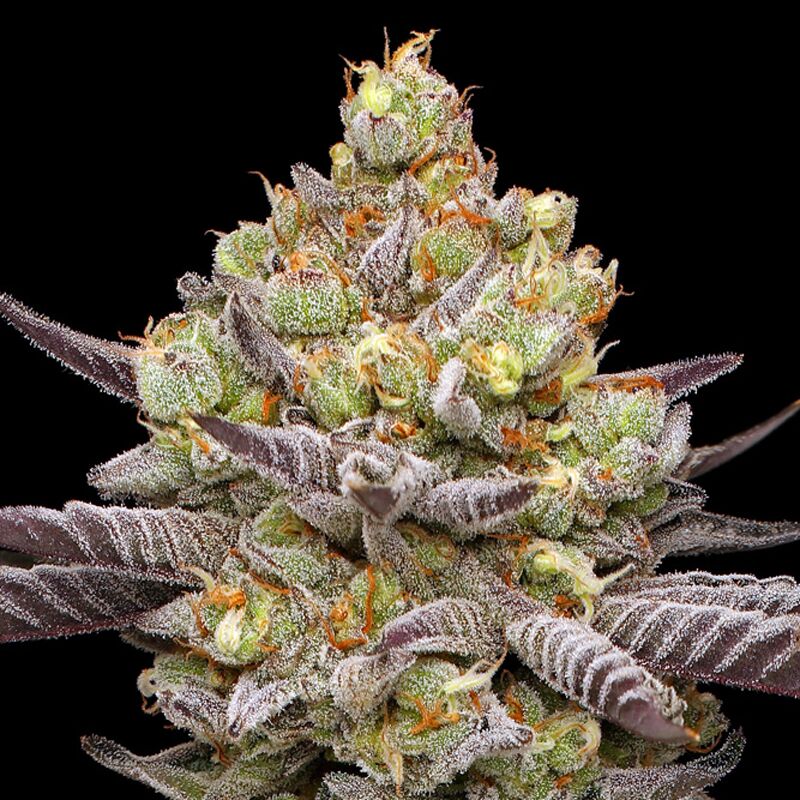
Cannabis fits this same story. Its roots in traditional medicine run thousands of years deep, and it’s re-entered the conversation about plant-based healing in a serious way. Growers cultivating medicinal strains depend on high-quality marijuana seeds to guarantee consistent genetics — because consistent genetics translate directly into reliable therapeutic outcomes. That attention to sourcing mirrors the care ancient healers poured into selecting and preparing botanicals. Patients exhausted by conventional treatment failures have found real relief weaving yoga, targeted diets, and herbal preparations alongside these newer plant-medicine options.
4. Accessibility and Affordability Drive Adoption
No equipment required. No certification needed. No monthly fee. Someone can start meditating this afternoon without spending a cent. Yoga mats cost less than two therapy co-pays. Herbal teas are nearly nothing compared to prescription medications. Growing ginger or mint at home? Practically free. Traditional practices don’t gate-keep wellness behind income — and that matters enormously. Personal trainers, specialized treatments, ongoing prescriptions — genuinely out of reach for families running tight budgets. Ancient approaches don’t ask much. They show up wherever a person happens to be. That’s why they keep spreading across economic lines.
5. A Philosophical Shift Toward Holistic Health
Twentieth-century medicine was aggressively reductionist. Isolate the system. Identify the malfunction. Fix the part. Brilliant in some contexts. Badly wrong in others. Ancient traditions never fragmented things that way — mind, body, environment, spirit were always one interconnected system. That worldview is slowly reshaping how practitioners think. Emotional stress damages physical health. Movement practices sharpen cognition. Sleep, diet, and social connection affect illness recovery in ways the reductionist model once waved off entirely. Now neurology, immunology, and psychology are all catching up to what traditional healers grasped intuitively. The gap between “ancient wisdom” and “cutting-edge science” keeps narrowing. Treating a person as a whole — not a collection of separate malfunctions — produces better outcomes. Simple as that.
Conclusion
This isn’t a rejection of science. It’s something more interesting than that. Contemporary health culture has worked out that ancient practice and modern understanding can actually reinforce each other — that they’re not rivals. Time-tested systems offer solutions people can use immediately. Research keeps validating the mechanisms behind them. They address chronic conditions that pharmaceuticals alone can’t resolve. They’re affordable. Accessible. And philosophically, they align with where science itself is heading — toward integrated, whole-person thinking. The line between ancient and modern keeps blurring. The borrowing will continue. Because these practices fill gaps that contemporary medicine, for all its power, still hasn’t closed.
